The Science Behind Rare Earth Magnets: What Makes Them So Mighty?
The Elements That Power Performance
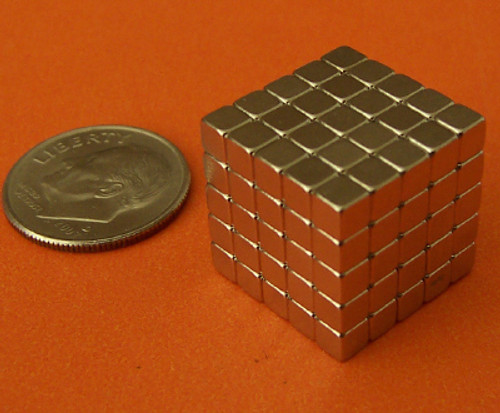
Rare earth magnets, a category of permanent magnets, are predominantly made from alloys of rare earth elements, primarily neodymium (Nd), iron (Fe), and boron (B). These magnets possess extraordinary strength compared to traditional ferrite or Alnico magnets, reaching magnetic energy product ratings (BHmax) of up to 52 MGOe (Mega Gauss Oersteds) or more, making them the strongest commercially available magnets. The secret to their power lies in the atomic structure of neodymium and other rare earth elements; they exhibit high magnetic susceptibility because of their unpaired electrons. The deliberate doping of these elements with transition metals, such as iron, significantly enhances their magnetic properties, resulting in robust, compact designs ideal for industrial applications.
Understanding Magnetic Domains: The Secret to Strength
At the micro-level, the strength of rare earth magnets can be attributed to an alignment of magnetic domains within the material. A magnetic domain consists of a group of atoms with their magnetic moments aligned in the same direction. In traditional magnets, these domains are oriented randomly, resulting in weak magnetic properties. However, in rare earth magnets, the unique crystalline structure encourages the domains to align consistently in the same direction, leading to a net magnetization that is vastly superior. Additionally, the high coercivity of these magnets makes it difficult for the domains to revert to their original disordered state, meaning once they are magnetized, they retain their magnetism effectively even under high temperatures or demagnetizing conditions. This unparalleled alignment and retention of magnetic domains form the backbone of their functionality in a myriad of applications.
Comparing Rare Earth Magnets to Traditional Magnets
The performance disparity between rare earth magnets and traditional magnets (such as ferrite or Alnico) is stark. Ferrite magnets, comprised of barium or strontium and iron oxide, are considerably weaker, with Maximum Energy Product values typically not exceeding 5 MGOe. While they are cost-effective and resist demagnetization due to their inherent lack of magnetic saturation, they fall short for applications demanding high performance in compact spaces. Conversely, rare earth magnets feature not only higher magnetic energy and efficiency but also exhibit higher resistance to demagnetization, giving them a distinct advantage in critical applications such as motors, sensors, and micro-electronics. In sectors focused on miniaturization and maximizing output, rare earth magnets are indispensable, marking a significant evolution in engineering and design.
Applications of Rare Earth Magnets: Where They Shine Brightest
Revolutionizing Technology: From Smartphones to Electric Vehicles
In today’s high-tech landscape, rare earth magnets are foundational to numerous electronic devices, radically transforming how we interact with technology. In smartphones, small but powerful neodymium magnets are employed in various applications, from vibration motors to speaker technology, providing clear sound and responsive feedback without adding unnecessary bulk. Furthermore, these magnets are integral to electric vehicle (EV) motors, where the demand for lightweight and powerful components is crucial. In EV applications, the use of rare earth magnets enhances the motor’s efficiency, significantly reducing energy consumption while providing the torque necessary for rapid acceleration. This ripple effect of efficiency benefits not just ordinary users, but also the overarching quest for greener, sustainability-focused technologies across the automotive and electronic industries.
The Role in Renewable Energy: Harnessing Wind and Solar Power
As the world leans toward renewable energy sources, rare earth magnets play a pivotal role in the functionality and efficiency of green technologies. Specifically, in wind turbines, these magnets are used within the generator systems where their high magnetic strength allows for the construction of compact, lightweight, and high-performance generators. This is essential in maximizing energy capture at low wind speeds, improving overall energy output and operating efficiency. In solar technology, neodymium magnets enhance the performance of systems, from solar trackers that follow the sun to optimize energy collection, to enabling precision mechanisms in solar-powered devices. As renewable energy technologies proliferate, the demand for rare earth magnets reflects our commitment to sustainable energy, significantly advancing our capacity to harness nature’s power.
Innovations in Medicine: Rare Earth Magnets in MRI Machines
The healthcare field has seen groundbreaking advancements thanks to the integration of rare earth magnets, particularly in magnetic resonance imaging (MRI) machines. MRI technology utilizes large superconducting magnets, often incorporating rare earth elements to generate the necessary magnetic field strength for imaging soft tissues with precision. This capability has revolutionized diagnostic medicine, allowing healthcare providers to identify and treat conditions ranging from cancers to neurological disorders earlier and more accurately than ever before. Moreover, ongoing research into the use of rare earth magnets in targeted drug delivery systems showcases their potential to enhance therapeutic efficacy by directing medication precisely where it is needed in the body, thereby minimizing side effects and maximizing benefits. Consequently, rare earth magnets hold immense promise in ushering in a new era of medical innovation.
Sourcing and Manufacturing: How Are These Magnets Made?
The Global Supply Chain: Where Are Rare Earth Elements Found?
The sourcing of rare earth elements, essential for fabricating strong magnets, is a complex global endeavor. China dominates the supply chain, responsible for over 60% of global production, mainly due to its rich deposits and advanced mining technologies. Notable regions within China, such as Bayan Obo, are renowned for their comprehensive rare earth element resources. However, over-reliance on a single geographic region poses strategic challenges, prompting efforts in countries like the USA, Australia, and India to establish their rare earth mining industries. For instance, the Mountain Pass mine in California is the only rare earth producer in the United States, while Australia has emerged as a significant player with the Mount Weld deposit, known for its high-quality ore. As the geopolitical landscape shifts, the call for diversifying supply channels becomes essential to stabilize the rare earth elements market and reduce vulnerabilities associated with resource monopolies.
A Closer Look at the Production Process: From Mining to Final Product
The journey from earth to end product for rare earth magnets begins with the mining of rare earth ores, which are processed to extract the valuable elements. The ores undergo physical and chemical separation to isolate the individual rare earth metals, which can take place through various methods, including flotation and hydrometallurgical processes. Once extracted, these metals can be alloyed with iron, boron, and sometimes dysprosium or terbium to create neodymium magnets, often produced through sintering, a process that involves compacting the powdered material and heating it to create a solid structure. This meticulous manufacturing process ensures that the final product retains the optimal properties necessary for a variety of applications. However, every stage of production must consider safety standards and quality controls, with major implications for performance and reliability in their eventual use.
Sustainability Concerns: Can We Make Rare Earth Mining Responsible?
The environmental impact of rare earth mining has come under scrutiny in recent years, with complex ecological concerns surrounding land degradation, water pollution, and improper waste management. Notably, the processes used to extract and refine rare earth metals are often toxic, involving hazardous solvents and chemicals that can adversely affect local ecosystems. As awareness grows, companies and policymakers are becoming increasingly focused on adopting sustainable mining practices, leveraging technological advancements to minimize environmental footprints. Innovative extraction methods, such as bioleaching, which utilizes microorganisms to extract metals, and the recycling of rare earth magnets from electronic waste, present promising avenues forward. By implementing more responsible sourcing and manufacturing processes, the industry can not only conserve resources but also contribute to a circular economy where rare earth elements are reused and recycled effectively, promoting sustainability.
Choosing the Right Rare Earth Magnet: A User’s Guide
Understanding Different Types: Neodymium vs. Samarium-Cobalt
When selecting the strongest rare earth magnets, two primary types dominate the marketplace: neodymium (often referred to as NdFeB) and samarium-cobalt (SmCo). Neodymium magnets are widely recognized as the strongest rare earth magnets available, known for their exceptional strength-to-volume ratio. This makes them especially suitable for applications where powerful magnets are needed in compact spaces. They are also more affordable, versatile, and commonly used across various industries. However, their susceptibility to corrosion and performance degradation at elevated temperatures presents challenges, often necessitating protective coatings such as nickel or epoxy. In contrast, samarium-cobalt magnets excel in high-temperature environments, retaining their magnetic strength even at temperatures exceeding 250°C (482°F). Although more costly and less prevalent than neodymium, samarium-cobalt magnets are ideal for specialized uses such as aerospace and military technology where consistent performance and durability are critical. Understanding the unique characteristics of each type is essential for choosing the right magnet to meet specific application requirements.
Learning the Lingo: Magnet Grades and Their Implications
In the world of rare earth magnets, the terminology can be perplexing. One crucial aspect to consider is the grading system, which determines the magnet’s strength and potential applications. The grading system for neodymium magnets uses a numerical designator, such as N35, N42, or N52, where the number indicates the maximum energy product (BHmax) in Mega Gauss Oersteds (MGOe). For instance, an N52 magnet possesses the highest strength available commercially, while lower grades such as N35 might suffice for less demanding tasks. This numerical grading system enables users to compare products easily, allowing for informed decisions appropriate to specific engineering and design criteria. Furthermore, understanding how these grades translate into performance helps in selecting the ideal magnet for applications ranging from consumer electronics to heavy industrial machinery.
Safety Tips and Best Practices for Handling Strong Magnets
While the power of rare earth magnets can be incredibly beneficial, handling these magnets requires caution and awareness of safety protocols to avoid potential hazards. Due to their strong magnetic fields, they can unexpectedly snap together with significant force, posing risks of pinching fingers or damaging electronic devices if mishandled. It’s crucial to always use protective gear, such as gloves and goggles, when working with large or high-strength magnets. Additionally, it is advisable to store rare earth magnets in a secure location, ideally in protective enclosures, to prevent injury and to keep them away from sensitive electronics and credit cards, which can be affected by strong magnetic fields. Educating users on effective handling techniques and preventive measures is vital to promoting a safe and productive working environment, maximizing the benefits while minimizing risks associated with these powerful materials.