The transportation of commodities between cities, states, and nations is largely dependent on the trucking sector. Trucking firms serve supply networks that businesses depend on on a daily basis, from delivering retail goods to moving industrial supplies. However, delayed freight payments are one of the most prevalent financial issues in the transportation industry. Many trucking businesses don’t get paid for finished deliveries for weeks or even months. Serious cash flow issues may result from this circumstance, particularly for small and medium-sized carriers. As a result, trucker factoring has grown in importance as a financial solution for several companies in the freight sector.
Comprehending Delays In Freight Payment
When shippers or brokers take a long time to pay transportation firms for finished tasks, freight payment delays occur. In the transportation sector, payment periods typically fall between 30 and 90 days. Trucking businesses are still required to pay for fuel, maintenance, insurance, wages, licenses, and vehicle repairs throughout this waiting time.
Delays in payments may put a lot of strain on day-to-day operations for owner operators and small fleets. A truck cannot remain on the road if it is not properly maintained or fuelled. Regardless of when the client pays, drivers also anticipate receiving their salaries on schedule. Because of this, a lot of trucking firms search for strategies to increase cash flow without depending only on credit cards or loans.
The Operation Of Trucking Factoring
A financial practice called trucking factoring enables transportation firms to get quick payment for overdue bills. The trucking firm sells its invoices to a factoring company rather than waiting for clients to pay after a few weeks. The majority of the invoice amount is subsequently swiftly advanced by the factoring company, sometimes in less than a day.
When subtracting service costs, the factoring provider transfers the remaining amount to the trucking company when the broker or shipper pays the invoice. This procedure helps trucking businesses maintain smooth operations by providing them with quicker access to working capital.
Because acceptance is often dependent more on the customer’s creditworthiness than the transportation business itself, factoring is particularly appealing. This facilitates qualification for small enterprises and newer carriers.
Encouraging Stability Of Cash Flow
Increased cash flow consistency is one of factoring’s main benefits. Transportation companies have ongoing costs that are unavoidable. Unexpected repairs may happen at any moment, and fuel costs can change quickly. Even prosperous businesses may have operational challenges in the absence of steady revenue.
Trucking companies may have consistent access to funds by using factoring services. They may utilize available cash right away to control expenditures, take on additional loads, and grow operations rather than waiting for payments to clear. For company owners who must manage many financial obligations, stable cash flow also reduces stress.
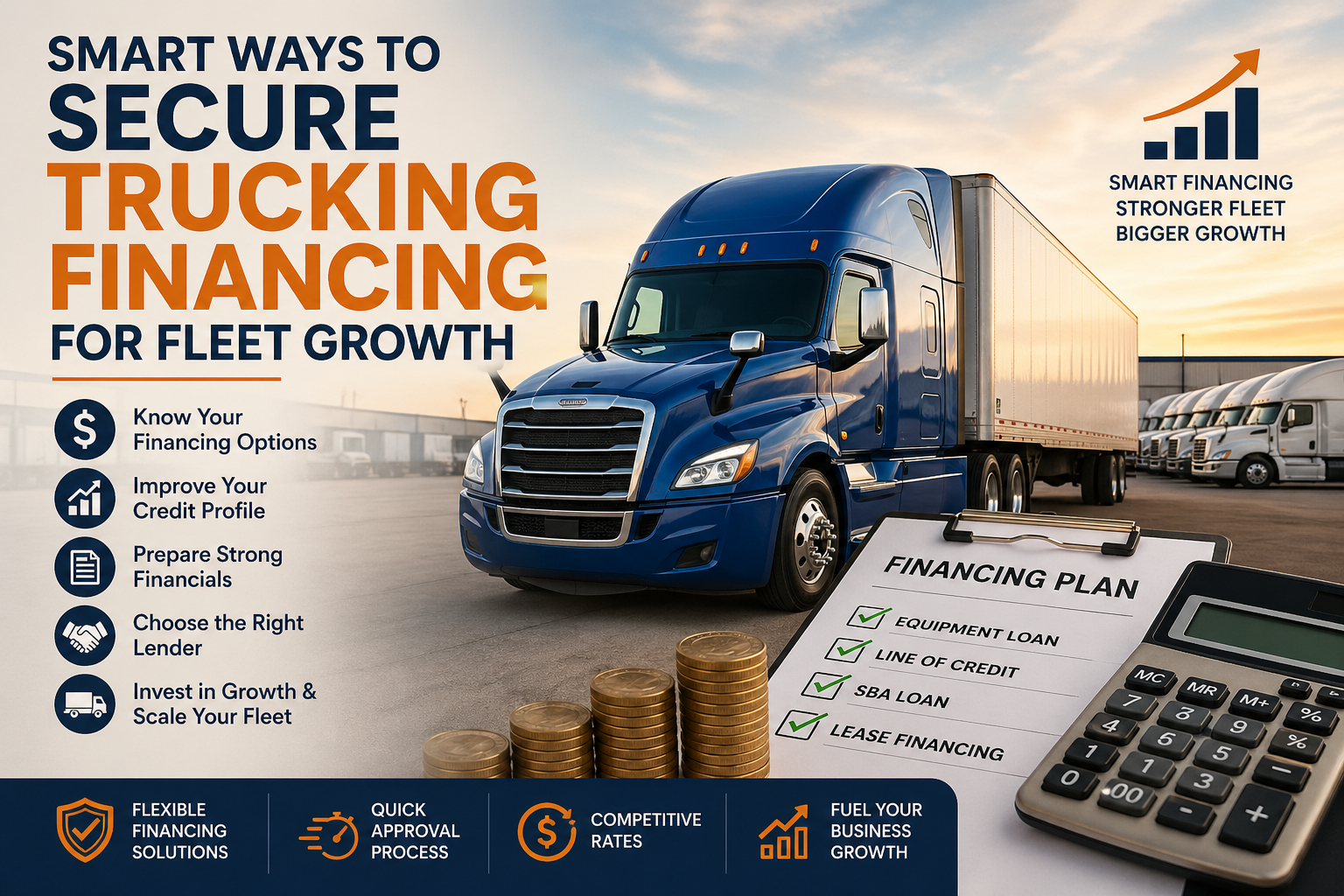
Trucking businesses often utilize the proceeds from factoring to make fleet investments. This might include buying cutting-edge logistical equipment, recruiting more drivers, or updating cars.
Cutting Down On Administrative Tasks
Collecting freight payments sometimes requires a lot of documentation and correspondence with shippers or brokers. Trucking firms may have to spend a lot of time managing accounts, keeping track of payment dates, and following up on invoices.
Factoring companies often help in processing invoices and collecting payments. By reducing administrative burdens, this assistance frees up trucking companies to concentrate more on customer service and transportation operations.
Aiding The Development Of New Trucking Companies
It costs a lot of money to start a trucking company. Before establishing a steady clientele, new businesses must pay for equipment, insurance, licensing, and operating expenses. Newer companies may find it difficult to sustain in the beginning since many clients have lengthy payment periods.
Trucking factoring may be very useful in this situation. Quick invoice payments enable businesses to build industry connections and sustain stable operations. New carriers may compete with more established transportation firms and take on bigger contracts when they have consistent cash flow.
In Conclusion
Delays in freight payments continue to be one of the transportation industry’s most difficult problems. Even when client payments are delayed for weeks or months, trucking businesses must still operate. As a result, trucker factoring has grown in importance as a financial instrument for carriers looking for stable operations and consistent cash flow.
Factoring helps trucking companies pay expenditures, ease financial strain, and concentrate on expansion prospects by turning outstanding invoices into instant working capital. Additionally, it facilitates long-term planning and streamlines invoice administration. Factoring services will probably continue to be a useful tool for businesses trying to control payment delays and sustain effective transportation operations as the trucking sector develops.