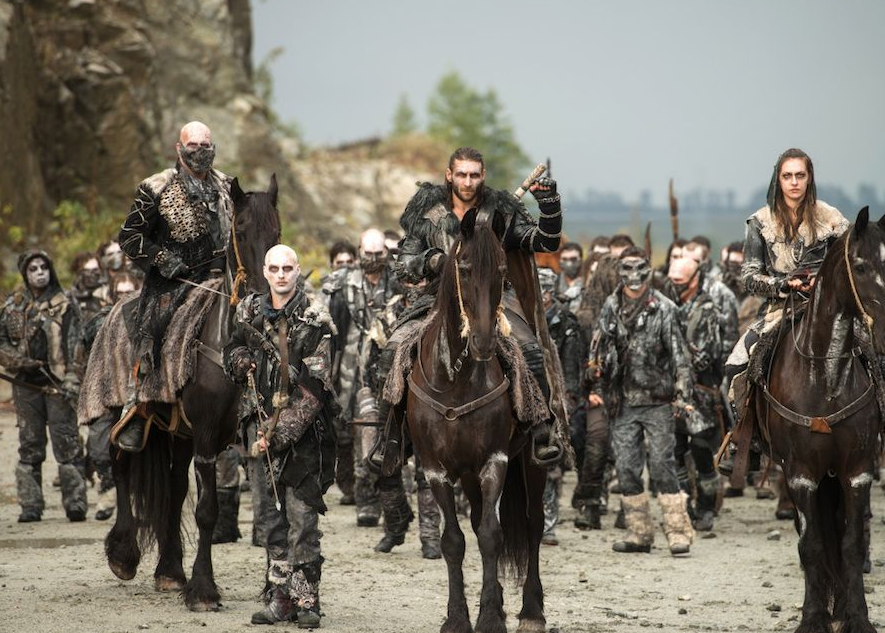
When people look up the 100 cast grounders, they usually expect simple lists. It is actually more about how casting builds identity across groups. Grounders feel distinct because of accents, posture, and physical presence. The wider 100-show cast supports this contrast clearly. Each group looks and behaves differently without needing long explanations. That difference comes from casting decisions as much as writing choices.
Grounder casting focuses on physicality and presence more than dialogue.
Actors playing grounders often rely on movement rather than long conversations. Body language becomes a major part of communication in many scenes. The 100 castgrounders approach highlights this physical style clearly. It creates intensity without needing constant dialogue or explanation. The 100 cast balances this by giving other groups more verbal interaction. This contrast helps define group identity quickly.
Language delivery plays a key role in character authenticity.
Trigedasleng adds another layer to how grounded characters are performed. Actors must deliver lines with consistency while maintaining natural rhythm. The 100 grounders rely on this language to feel believable. Meanwhile, the 100 show cast outside Grounders use standard dialogue patterns. This difference shapes how scenes feel across different locations. It also affects pacing in subtle ways.
Supporting cast members build depth without constant focus.
Not every character receives equal screen time or development. Supporting roles still contribute to the overall structure of the show. The 100 cast members include many background characters who add realism. The 100 cast uses these roles to fill out environments naturally. They may not drive the story, but they support it consistently. This layered casting helps scenes feel less empty or staged.
Character diversity reflects different survival perspectives clearly.
Different characters represent different approaches to survival and leadership. Some rely on strength, while others focus on strategy or cooperation. The 100 grounders often lean toward physical survival methods. The 100 cast includes a wider range of approaches overall. This diversity creates tension but also adds balance to the narrative. It shows multiple ways of adapting to the same environment.
Recurring roles maintain continuity across changing storylines.
Recurring characters appear across multiple episodes without always leading the story. They help maintain consistency even as major events change direction. The 100 cast members include several recurring figures who reinforce continuity. The 100 cast uses these roles to connect different plotlines. This structure keeps the story grounded despite constant change. It also helps viewers track relationships more easily.

Casting supports visual storytelling without heavy exposition.
The combination of costumes, makeup, and casting decisions creates identity. Such grounders as grounders need no description. The 100 cast members are also dependent on this visual storytelling style. These obvious group differences are an advantage to the 100 cast. It minimizes the use of dialogue-based explanations. This style maintains the motion of scenes without decelerating the pace.
Communication among cast members influences the dynamics of a scene very powerfully.
Scenes are usually reliant on the reaction of actors to one another in real time. Romances among the actors affect the perception of the realism of interactions. The 100 grounders generate tension by use of controlled and deliberate exchanges. The 100 cast members who are not part of this group tend to exhibit more expressive interaction styles. This contrast influences the perception of scenes by the viewers. It brings diversity without altering the main story.
Casting decisions reflect long-term narrative planning and direction.
Characters are introduced with potential for future development already in mind. Some roles start small but become more important later on. The 100 grounders include examples of this gradual expansion clearly. The 100 show cast uses similar strategies across different story arcs. This planning allows flexibility while maintaining structure. It supports growth without requiring sudden changes.
The balance between main and background characters remains consistent.
The show maintains a balance between central figures and supporting roles. Main characters drive the story, but background roles support the environment. The 100 grounders contribute to this balance through group presence. The 100 cast ensures that focus remains clear without ignoring detail. This balance keeps the narrative from feeling overcrowded. It also prevents important moments from losing impact.
Performance consistency helps maintain tone across different episodes.
Actors maintain consistent behavior patterns even as situations change. This consistency helps preserve tone across episodes and seasons. The 100 grounders show this through steady physical and vocal delivery. The 100 cast overall maintains alignment with the story’s direction. It prevents scenes from feeling disconnected or uneven. This reliability supports long-term storytelling effectively.
Practical takeaway from casting structure and execution choices
Casting in this series focuses on creating contrast and maintaining consistency. The 100 grounders demonstrate how physical performance builds identity. The 100 cast shows how diversity in roles supports narrative depth. Together, they create a structured but flexible system. This approach can be applied to other productions as well. It highlights the importance of casting beyond simple role assignment.
Conclusion
The casting approach in this series builds structure, contrast, and consistency across different groups. The interaction between grounders and other characters shows how performance shapes storytelling. Each role contributes practically without needing constant focus. Understanding casting choices helps explain why scenes feel balanced and grounded. For deeper insights and updated analysis, continue exploring detailed guides and follow professional content regularly.